Why the Rainy Season Doesn’t Have to Mean Empty Rooms
Most West African hotels treat low‑season occupancy as inevitable. The ones that don’t are capturing demand their competitors are ignoring. Here’s how to fill rooms when everyone else is struggling.
Key takeaways
- Domestic business travel, regional visitors, and NGO/government travel don’t follow the leisure calendar — they’re your low‑season opportunity.
- Package offers that bundle existing services (breakfast, airport transfer, late checkout) increase perceived value without cutting your rate.
- Your direct booking channel can offer benefits OTAs can’t match — use the rainy season to make it compelling.
- Understanding exactly which booking sources held up in past low seasons tells you where to focus effort.
- Small, targeted changes to your rate strategy can capture demand that a flat low‑season rate never will.
Every hotel in West Africa has a version of the same conversation in late April. Occupancy is down. International leisure travellers have gone. Group bookings have dried up. The rain has started, or is about to. The next three months are going to be slow, and there is not much to be done about it.
This is largely accepted as fact across the industry. It is also, to a significant degree, wrong.
The rainy season does not reduce all demand. It changes the composition of demand. The hotels that maintain reasonable occupancy through the low months are not doing something mysterious — they are serving guests that most properties have not bothered to understand or actively pursue. This post breaks down who those guests are and how to reach them.
The demand that doesn’t disappear
Domestic business travel is largely season‑independent. Corporate employees travelling between Lomé, Accra, Abidjan, Cotonou, and Dakar do so because their projects and meeting schedules require it, not because the weather is favourable. This segment books with shorter lead times, cares less about leisure amenities, and is highly sensitive to reliability — a property that responds quickly, invoices correctly, and maintains consistent quality will get repeat bookings without much additional marketing effort.
Regional travellers are under‑pursued. Most West African hotels market almost exclusively to international guests and domestic travellers. The regional segment — travellers from neighbouring countries in the region — is systematically ignored, despite being a growing source of demand that is not subject to the same seasonal patterns as European or North American leisure travel. Simple steps like listing on regional booking platforms and ensuring your OTA descriptions are translated into French for Francophone audiences open this market with minimal cost.
Government and NGO travel doesn’t follow seasonal logic. Development organisations, international agencies, and government bodies often have activity cycles that bear no relationship to the leisure calendar. They need accommodation for project teams, delegations, and consultants at precisely the times when hotels are quietly lowering rates to attract any booking they can. Positioning your property as a reliable, invoiceable, contract‑ready option for this segment requires configuration — proper invoicing systems, corporate rate agreements, and a reliable point of contact — but not a marketing budget.

What actually fills rooms in the low season
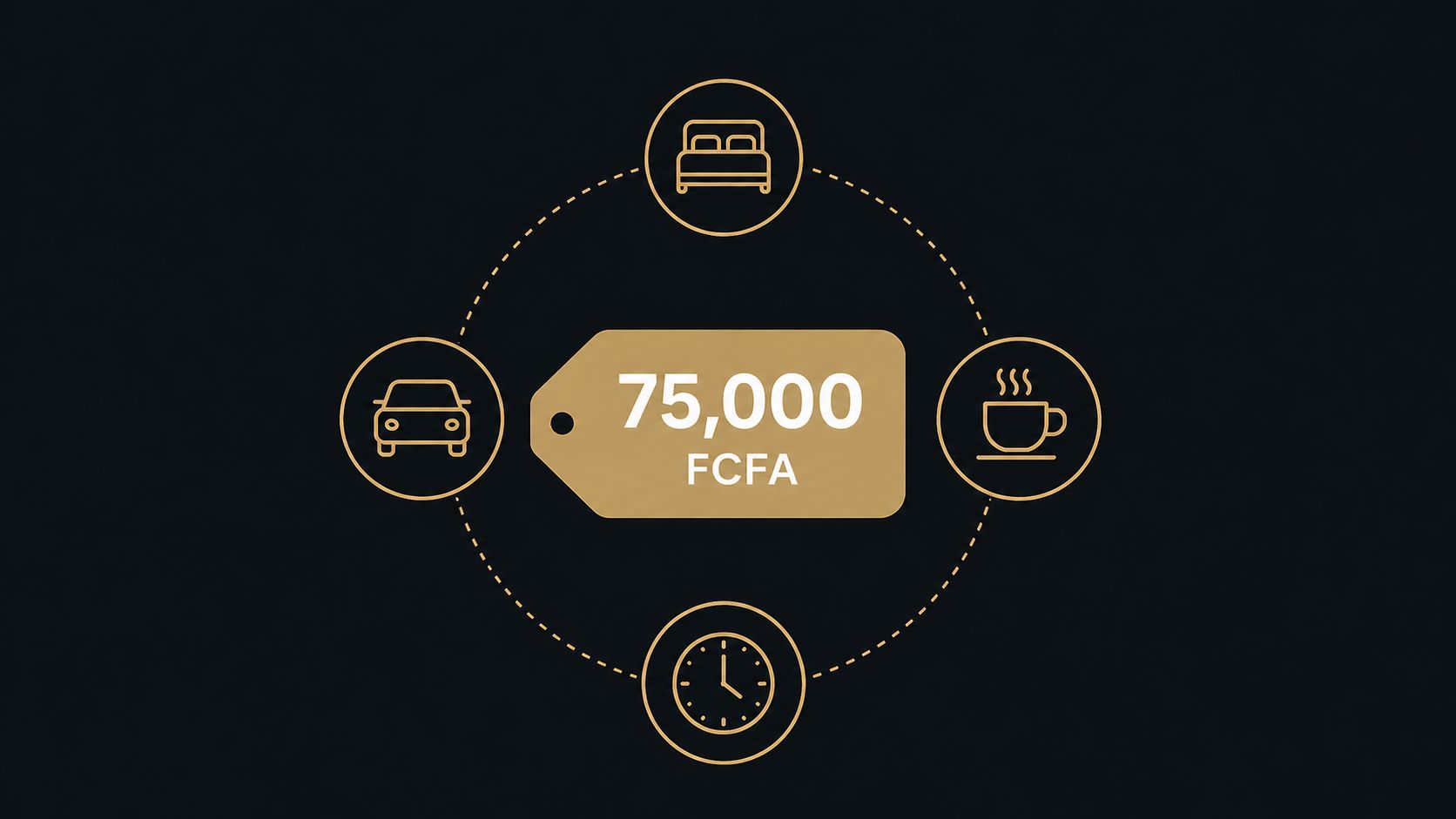
Package offers that change the value calculation. A guest who would not pay 60,000 CFA for a room during the rainy season may happily pay 75,000 CFA for a room that includes breakfast, airport transfer, and late checkout. The total spend is higher but the perceived value is fundamentally different. Packages that bundle accommodation with services your hotel already provides — meals, transfers, meeting rooms — are one of the most reliable low‑season tools and one of the least used.
Direct booking incentives that OTAs can’t match. Your direct booking channel has one structural advantage over OTAs: you can offer benefits that are invisible to OTA comparison shopping. A complimentary room upgrade for guests who book direct, a welcome drink, a confirmed late checkout, access to otherwise closed facilities — none of these show up on Booking.com’s comparison page, but they matter to guests who find your website. The rainy season is the right time to make your direct channel actively compelling rather than passively available.
Rate strategy that stimulates demand rather than just reflecting it. Most hotels in West Africa use a simple two‑tier pricing model: high season and low season. The low‑season rate is set at whatever feels sustainable and held there until business returns. More sophisticated rate management — adjusting prices based on occupancy at specific points in the booking window, offering short‑stay incentives on your slowest nights, creating limited‑availability promotions for specific dates — can generate bookings that a flat low‑season rate would never capture. These approaches do not require complex software to implement, but they do require someone actively managing revenue rather than passively setting rates.
The domestic market is larger than most hotels treat it
International leisure travel to West Africa has a genuine seasonality. Domestic travel has a much flatter demand curve, and the domestic traveller is a guest segment that most hotels have barely begun to market to seriously.
Domestic guests travel for weddings, funerals, business, family visits, and occasionally pure leisure. They book with shorter lead times, often through WhatsApp or direct phone calls, and their decision is heavily influenced by personal recommendations and social media presence rather than OTA rankings. A hotel that is actively present on Instagram, that responds quickly to direct enquiries, and that offers genuine value through its direct channel is well‑positioned to capture this segment — particularly during periods when its OTA‑dependent competitors are competing on price alone.
One practical starting point
Before the next low season begins, do one thing: calculate your actual average occupancy for the past two rainy seasons, broken down by booking source — OTA, direct, walk‑in, corporate, group. The result will almost always reveal one or two segments that performed better than you remember and one or two that collapsed entirely.
That breakdown tells you exactly where to focus. The segment that held up is the one worth investing in. The segment that collapsed is either irrecoverable seasonally — international leisure, for example — or recoverable with the right approach.
Ginform can help you structure a low‑season strategy built around your property’s specific booking data and market position.